








How to Mix and Match Furniture Styles Like a Pro

Making Your Home Feel Effortless, Not Engineered
Mixing furniture styles is one of those things that looks simple—until you try it. You move a sleek modern chair next to your grandmother’s oak dresser and suddenly it feels like they’re arguing. The truth? Creating a beautifully blended room is part instinct, part structure.
This guide walks you through how to mix furniture styles in a way that feels balanced, intentional, and unmistakably you.
Find Your Anchor Style
Every successful mix starts with an anchor. That’s your dominant design direction—the one that carries most of the visual weight. It might be modern minimalism, rustic warmth, or even industrial chic. Once you’ve found that backbone, everything else becomes easier.
A good rule of thumb is the 70/30 balance: seventy percent of one style, thirty percent of a contrasting one. This ratio gives your space identity without chaos.
If you’re still figuring out what defines your look, take a moment to read Making Your Home Furniture Décor Reflect the True You. It’ll help you identify which pieces really speak your language.
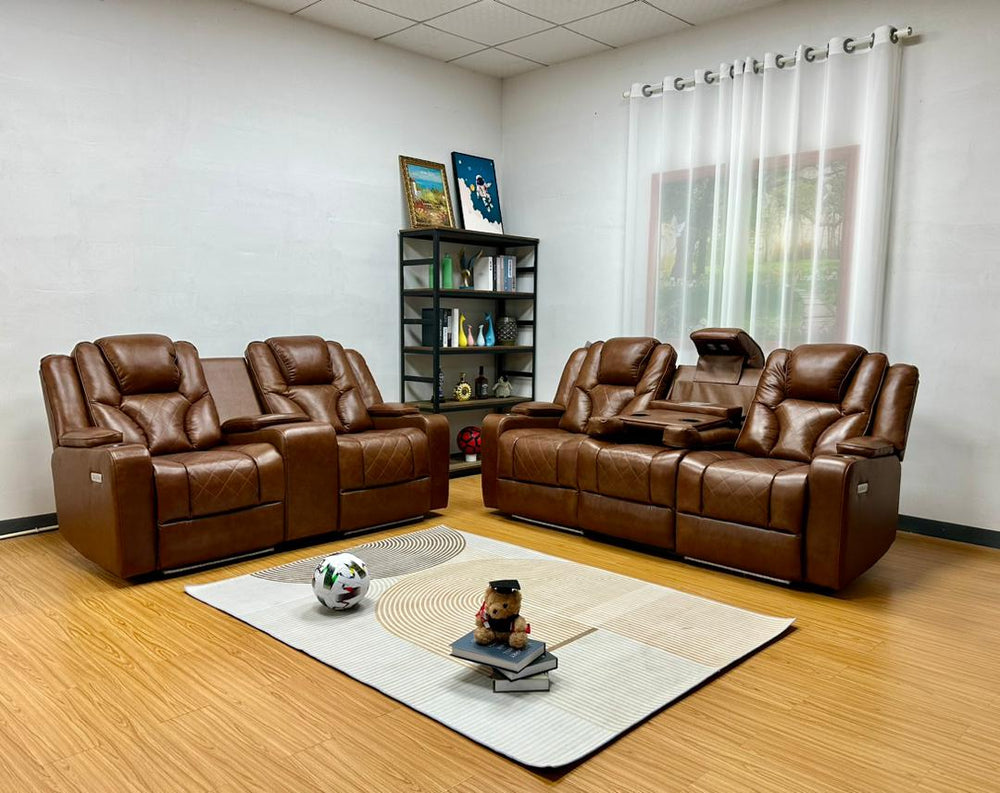
How to Mix and Match Furniture for the Living Room
Your living room sets the tone for your entire home. It’s where guests form their first impressions—and where you relax after a long day. Mixing furniture styles here should feel natural, not forced.
Here’s how:
-
Balance shapes and sizes. Pair a large, structured sofa with soft, curved armchairs.
-
Keep a thread of consistency. Even when styles differ, maintain unity through color or material.
-
Layer textures. Leather, linen, wood, and metal all play well together when repeated with intention.
When you’re unsure whether two pieces belong together, test them visually. The easiest way? Use our AR Tutorial to preview how different pieces fit in your living room before buying.
For more on the emotional side of design, see Your Furniture Reflects You.
How to Mix Furniture Styles in the Bedroom
Bedrooms are trickier. They’re intimate, softer, and less forgiving when something feels “off.” Start with one standout piece—say a contemporary upholstered bed—then mix in supporting furniture that contrasts subtly.
Try this:
-
Match a modern headboard with vintage bedside tables.
-
Add industrial metal lamps to offset a romantic setting.
-
Keep fabrics consistent—linen with linen, velvet with velvet—to tie it all together.
And if you’re ever unsure, simplicity always wins. A bedroom should calm you, not compete for attention.
The Secret Ingredient: Unity Through Repetition
When mixing furniture styles, unity is the invisible glue. You can blend modern, traditional, and even bohemian pieces—as long as they share at least one visual language.
Here’s what to repeat:
-
Color palette: Three main tones max—neutrals plus one accent.
-
Material: If brass shows up once, make it appear again.
-
Shape: Curves echo curves; straight lines mirror each other.
Before making big purchases, preview your layout using Furny’s 3D Modeling tool. It lets you visualize proportions and placements so you know everything fits—physically and aesthetically.
Breaking the Rules (Gracefully)
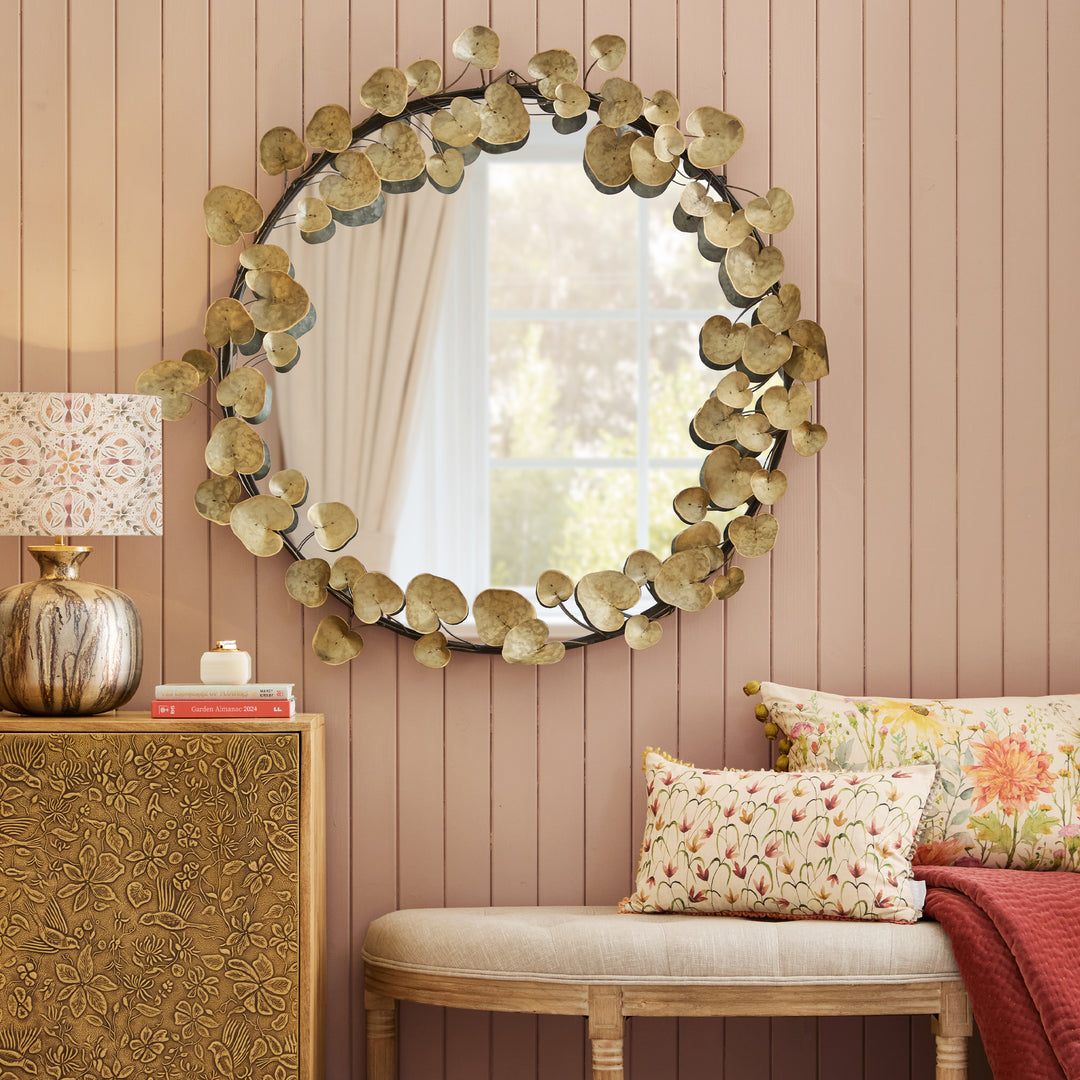
Design is personal. Sometimes the best spaces are born from contradictions—a sleek glass coffee table beside a weathered leather sofa, or a minimalist lamp above a baroque dresser. Those contrasts create depth and authenticity.
At Furny, we celebrate individuality. If you’re a creator or interior seller, visit our Sell With Us page to showcase your collection. Collaboration fuels creativity, and we love seeing unique interpretations of style.
From Cart to Comfort: Make It Seamless
We get it—shopping online for furniture can feel overwhelming. That’s why Furny makes it simple from start to finish:
-
Track your purchase on our Order Tracking page.
-
Review our Shipping Policy and Return Policy before checkout.
-
Need help or reassurance? Head to our FAQs or reach out through our Contact Page.
Furniture shopping should feel exciting—not stressful.
A Few Common Mistakes to Avoid
Even experienced decorators slip up occasionally. Keep these in mind:
-
Too many focal points. One statement piece per room is plenty.
-
Ignoring proportion. A massive dining table next to slim chairs throws everything off.
-
Forgetting negative space. Empty areas give the eye room to breathe.
-
Mixing every color under the sun. Pick your palette early and stick with it.
Avoiding these pitfalls keeps your mix intentional and elegant, not chaotic.
Final Thoughts
Learning how to mix and match furniture styles isn’t about following strict design rules—it’s about building confidence. Whether it’s a living room full of personality or a peaceful, well-balanced bedroom, your home should feel like you.
Browse our Furny Blog for more inspiration, or explore our AR and 3D tools to see your dream setup before it exists.
