





Fabric vs Leather Sofa – Which One Is Right for Your Home?

If there’s one piece of furniture that defines the comfort and character of your living room, it’s your sofa. It’s where you unwind after a long day, binge your favorite shows, chat with family, or sneak in a nap on lazy afternoons. But when it comes time to buy a new one, you hit that classic question that never gets old: fabric or leather?
Both have loyal fans, both look amazing, and both come with their own charm and challenges. Yet choosing between a leather vs fabric sofa isn’t as simple as picking what looks good in the catalog. It’s about lifestyle, comfort, climate, budget even personality. Let’s break it all down.
1. The Big Debate: Why This Choice Matters
When you’re shopping for a sofa, it’s not just furniture it’s an investment in daily comfort and visual harmony. The sofa becomes the emotional center of your home, the backdrop for gatherings, laughter, and even spilled coffee moments.
So, this debate leather vs fabric sofa isn’t just about texture. It’s about how your home feels and how you live in it. Leather gives off that timeless elegance, the kind you see in high-end lounges and classic interiors. Fabric, on the other hand, brings warmth, softness, and a cozy feel that screams “welcome home.”
Before you jump to conclusions, let’s look deeper at what makes them so different.
2. Understanding the Basics: What Are You Really Buying?
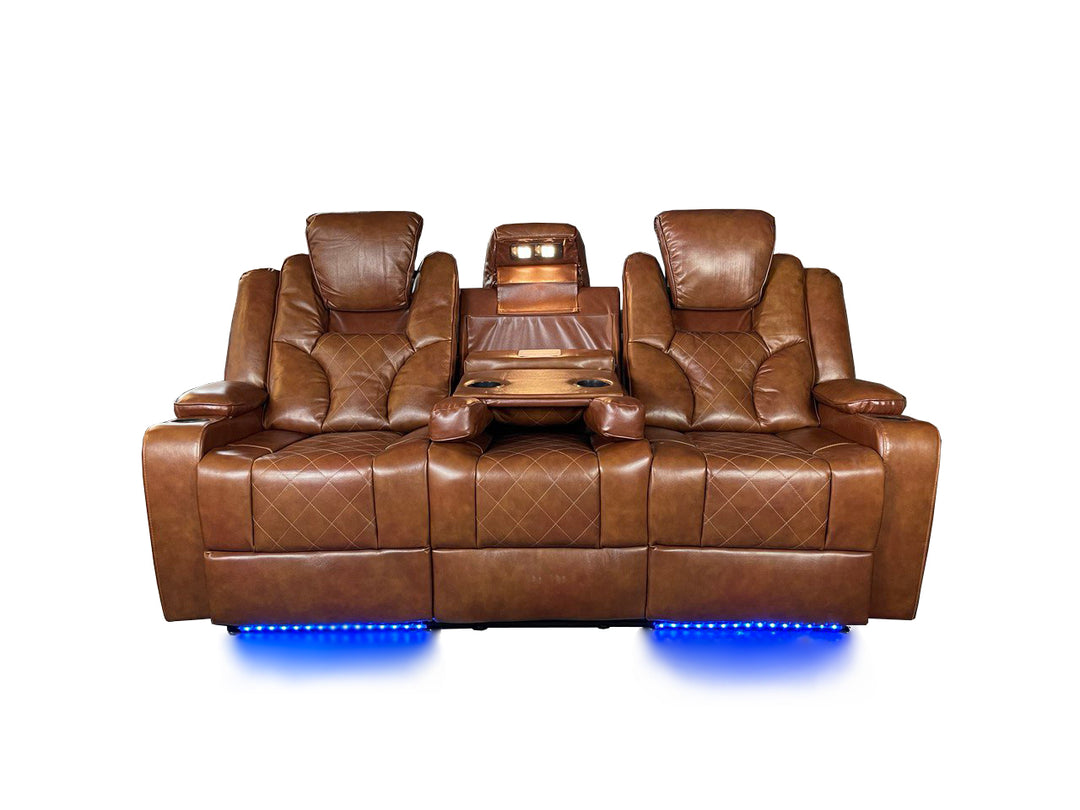
A leather sofa is typically made from genuine animal hide or synthetic versions like PU or faux leather. It’s known for its sleek texture, natural sheen, and durability. It feels cool to the touch and often develops a unique patina as it ages giving it that rich, lived-in character.
A fabric sofa, in contrast, uses materials like cotton, linen, velvet, or polyester blends. The result is a softer, warmer texture that adapts easily to color and pattern variations. If you want versatility, fabric wins hands down.
Leather is more “statement,” while fabric is more “style chameleon.” One stands out; the other blends beautifully.
3. Aesthetic Appeal: Style, Texture, and Personality
When it comes to design, your sofa defines your interior tone.
Leather Sofas
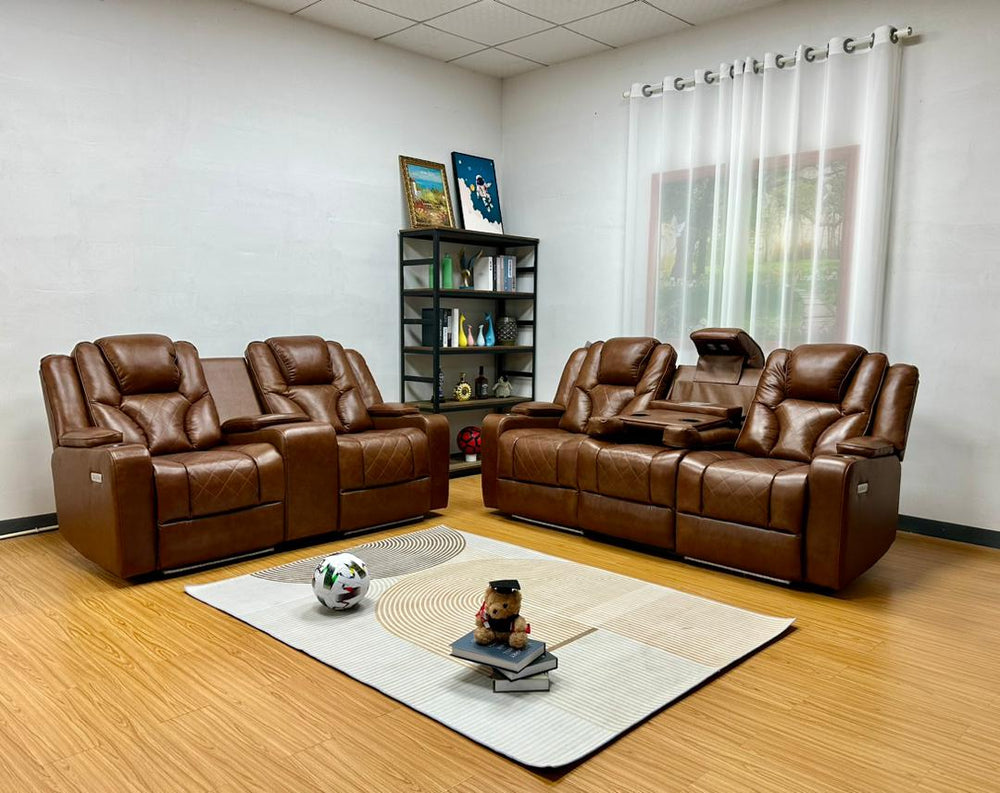
Leather has a natural aura of sophistication. It’s perfect for modern, minimalist, and luxury interiors. Imagine a dark brown leather sectional against a soft beige wall instantly bold, effortlessly elegant. Leather’s shine and smooth texture reflect light, which makes a room look polished and refined.
Fabric Sofas
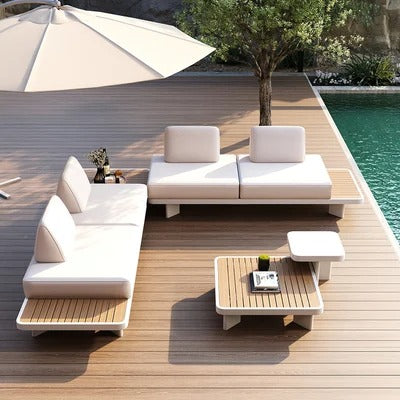
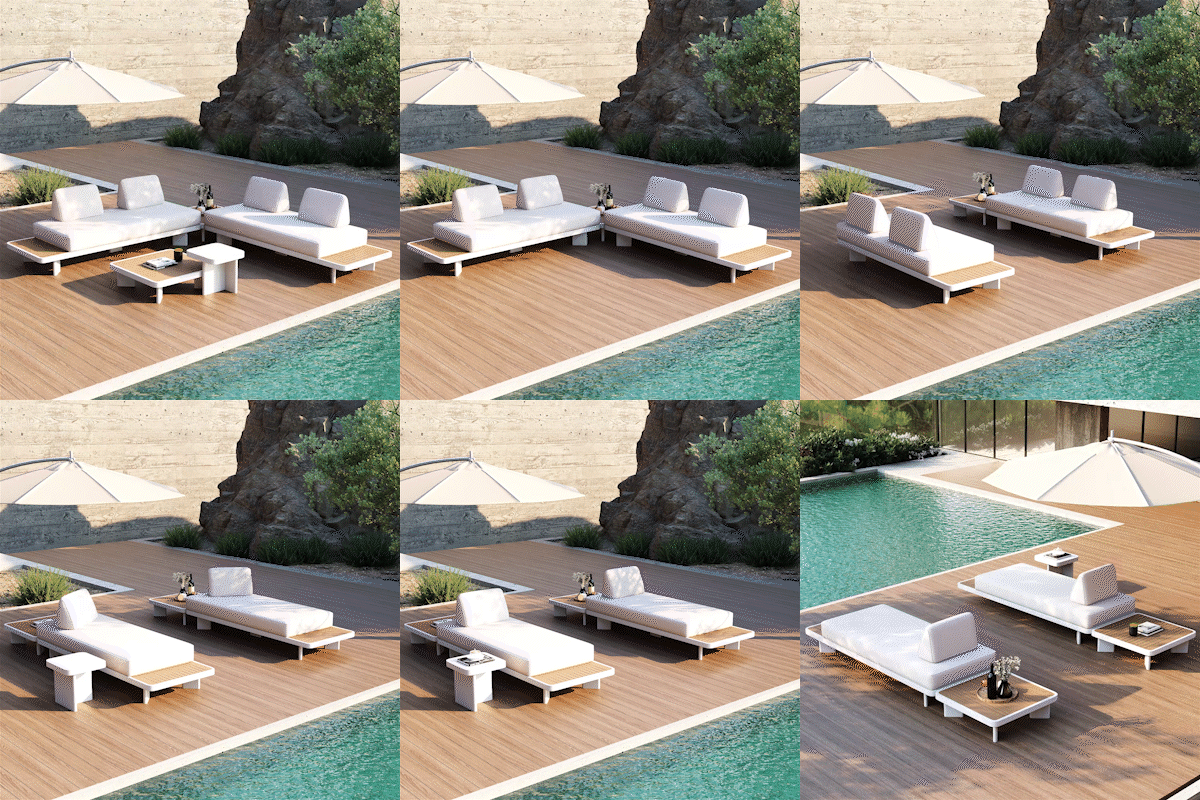
Fabric brings variety and creativity. Whether you’re going for Scandi minimalism, farmhouse charm, or boho chic, fabric fits right in. It lets you play with color, texture, and pattern. You can choose soft linen for a relaxed vibe or plush velvet for a rich, dramatic feel.
If your room changes seasonally maybe pastel cushions in spring and cozy throws in winter a fabric sofa adapts better.
Verdict:
If you want sophistication that lasts decades, leather wins. But if you love texture, color, and comfort, fabric gives you freedom to play.
4. Comfort Level: What Really Feels Better?
Ah, comfort the true heart of the sofa decision.
A leather sofa feels smooth, cool, and firm. Great during warmer months, but it can get chilly in winter unless you throw on a blanket. Some people love the firmness because it supports posture and feels “solid.”
A fabric sofa feels soft, cushy, and instantly cozy. It invites you to sink in. It doesn’t get too hot or cold, and the material “breathes” better, making it comfortable for long sitting hours or afternoon naps.
One thing to note: high-quality leather adjusts to body temperature over time, so it can feel more natural than cheaper faux options.
Verdict:
Leather gives luxury and structure. Fabric gives softness and warmth. For families who spend hours lounging, fabric usually wins for comfort.
5. Durability: The Long-Term Game
Sofas are expensive you want one that lasts.
Leather, especially full-grain or top-grain, can last 15–20 years if cared for properly. It resists spills, doesn’t trap dust, and develops that beautiful “aged” look. The downside? It’s prone to scratches (especially if you have pets) and can fade with direct sunlight.
Fabric, on the other hand, depends on the weave and material quality. High-performance fabrics treated for stain resistance can last over a decade. However, regular fabric might show wear or sag faster.
Verdict:
Leather wins in durability and aging gracefully, but fabric wins in staying cool and looking fresh in various colors.
6. Maintenance: Which One’s Easier to Live With?
If you’re a “no-fuss” kind of person, leather might surprise you. It’s actually easier to clean a quick wipe usually handles most spills. But it needs occasional conditioning to prevent cracks.
Fabric can be trickier with stains but easier to maintain in other ways. Many modern fabric sofas come with removable, washable covers. Spot cleaning works for most situations, and professional cleaning once a year keeps it fresh.
Verdict:
Leather for low-dust, easy wiping. Fabric for machine-washable convenience.
7. Budget Breakdown: Cost vs Value
Leather sofas are generally more expensive upfront. Genuine leather costs more due to the material and craftsmanship. But in return, it can last twice as long as a typical fabric sofa.
Fabric sofas are more affordable and allow for quicker style updates. If you like changing your furniture every few years or experimenting with décor, fabric is budget-friendly.
Verdict:
If you want long-term value, go leather. If you want flexibility and affordability, go fabric.
8. Lifestyle Fit: Your Life, Your Sofa
This is where most people realize what they actually need.
-
Got kids? Fabric sofas are softer and safer. Plus, washable covers make accidents less stressful.
-
Got pets? Leather can be a good choice since fur doesn’t cling — but beware of claw marks.
-
Live in a humid or cold area? Fabric feels cozier.
-
Love the sleek, executive vibe? Leather gives you that timeless statement.
Your sofa should fit how you live, not the other way around.
9. Climate and Seasonal Factors
This is especially important for UK homeowners.
Leather tends to feel cool in winter and slightly sticky in summer if humidity is high. Fabric remains neutral all year. If your living room gets direct sunlight, leather might fade over time, while fabric holds color better unless you choose very dark tones.
Verdict:
For balanced year-round comfort, fabric edges ahead.
10. Sustainability and Eco Impact
If you’re eco-conscious, this section matters.
Traditional leather comes from animal hides, which raises ethical questions for some buyers. However, many brands now use vegan leather or eco-tanned hides that are more sustainable.
Fabric sofas can also be eco-friendly, especially those made from recycled polyester, organic cotton, or natural linen. Some are even certified low-emission for better indoor air quality.
Verdict:
Both can be sustainable it depends on the source. Vegan or recycled options are growing rapidly in 2025.
11. Allergies and Health
Leather doesn’t trap dust mites or allergens, making it ideal for people with allergies. It’s also easier to wipe clean from pollen or pet dander.
Fabric can trap more dust, but with regular vacuuming and cleaning, it’s not a major problem. Look for hypoallergenic fabrics or microfiber blends if this is a concern.
Verdict:
Leather wins for allergy-friendly homes.
12. Aesthetic Longevity – How Each Ages Over Time
Over years of use, leather develops a unique patina — a slightly weathered, richer tone that tells a story. Some people love this “lived-in luxury.” Others prefer their sofa to look new forever, in which case fabric is easier to replace or reupholster.
Fabric can fade over time, but it also allows for seasonal reinvention — new covers, cushions, and textures whenever you feel like refreshing your space.
Verdict:
Leather ages beautifully; fabric stays versatile.
13. Personalization Options
If you love customization, fabric gives endless options — patterns, colors, textures, weaves, you name it. Leather is more limited in palette but wins in classic shades (tan, brown, black, ivory) that never go out of style.
Verdict:
Fabric for creativity. Leather for timeless elegance.
14. Real-Life Scenarios – What’s Right for You?
Let’s make it practical.
-
Families with kids: Fabric sofa, because it’s cozy and washable.
-
Pet owners: Leather, since it repels fur (just trim claws).
-
Minimalists: Leather — clean lines, minimal maintenance.
-
Decor enthusiasts: Fabric — colorful, flexible, ever-changing.
-
Luxury seekers: Leather — sophistication that ages well.
-
Budget buyers: Fabric — great comfort at lower cost.
Each lifestyle finds its match.
15. Expert Opinions and Market Trends for 2025
Interior designers in 2025 predict a balanced mix of both materials. Hybrid sofas — with leather frames and fabric cushions — are trending because they blend the best of both worlds.
Warm neutral tones, matte leather textures, and tactile linen fabrics are leading this year’s living room trends. Comfort and authenticity are the new luxury.
Designers often recommend fabric for family rooms and leather for formal lounges — a combination that’s both practical and stylish.
16. The Final Verdict: Which Sofa Wins?
If you want:
-
Longevity, luxury, and low maintenance → Leather
-
Warmth, color variety, and affordability → Fabric
There’s no universal winner here — only what fits your life.
Your sofa should reflect not just your décor, but your lifestyle. Do you love sleek lines and timeless elegance? Go leather. Want something cozy and versatile? Go fabric.
And if you still can’t choose? Consider a leather-fabric mix — elegant structure with soft comfort where it counts.
17. Conclusion: Comfort That Defines Your Home
At the end of the day, your sofa isn’t just a place to sit — it’s where life happens. Whether you choose leather or fabric, what truly matters is how it makes you feel when you sink in after a long day.
A leather sofa brings timeless character and endurance.
A fabric sofa brings softness, color, and soul.
So, listen to your lifestyle, your space, and your comfort instincts because the perfect sofa isn’t about the material. It’s about how you live on it.